
Cape Town Photographer,
Russell Tranter.


Let wowME, wowYOU
A selection of high magnification Macro Photography by Russell Tranter
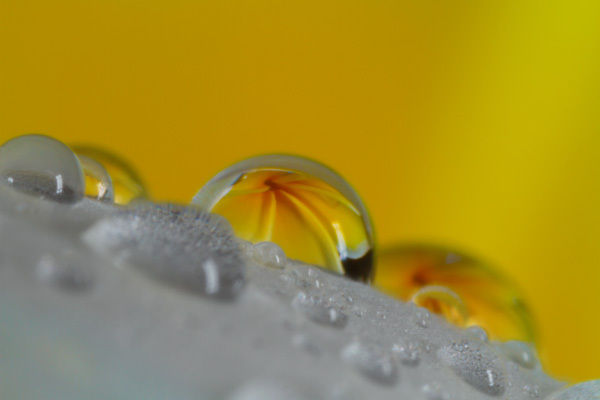
wowME | Photography by Russell Tranter - Photograph of water drop taken with MPE-65mm & MT24EX Flash

wowME | Photography by Russell Tranter - Closeup photograph of water drop taken with MPE-65mm & MT24EX Flash
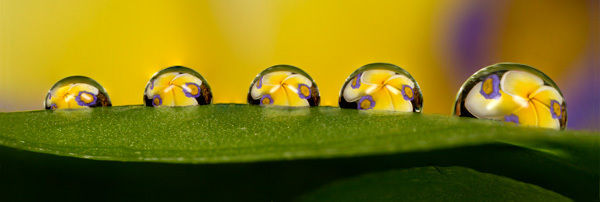
wowME | Photography by Cape Town Photographer, Russell Tranter - Photograph of multiple water drops taken with MPE-65mm & MT24EX Flash

wowME | Photography by Cape Town Photographer, Russell Tranter - Photograph of water drop refraction taken with MPE-65mm & MT24EX Flash

wowME | Photography by Cape Town Photographer, Russell Tranter - Photograph of water drop with flower refraction with MPE-65mm & MT24EX Flash

wowME | Photography, Russell Tranter - Insect & water drop macro with MPE-65mm & MT24EX Flash

wowME | Photography by Cape Town Photographer, Russell Tranter - Insect macro of jumping spider with MPE-65mm & MT24EX Flash

wowME | Photography by Cape Town Photographer, Russell Tranter - Insect macro of frozen jumping spider with MPE-65mm & MT24EX Flash

wowME | Photography by Cape Town Photographer, Russell Tranter - Insect macro of solitary bee with MPE-65mm & MT24EX Flash

wowME | Photography by Cape Town Photographer, Russell Tranter - Insect macro of wasp with MPE-65mm & MT24EX Flash
Macro Photography
Take another look
Macro photography gives you a totally fresh and exciting view on the world around you and this means you can find loads of great subjects right under your nose – try simple household items like tools and cutlery for a start.
Look for textures
Macro mainstays like insects and flowers are great, but if you’re looking for a more abstract approach, try seeking out textures, such as the fine details of leaves or the delicate patterns of seashells.
Add a dewy glisten
If you’re shooting plants and flowers, you can make them look even better with a fine spray of water – a few well-placed water droplets on petals and leaves adds a feeling of freshness and sparkle to the subject and all you need is a cheap garden spray.
Light Loss
Even if the front element doesn’t physically extend, macro lenses suffer from light loss when focusing down to the maximum 1:1 reproduction, so an f/2.8 macro lens will offer a slower effective aperture when used at its full potential.
Depth-of-Field
Because of the magnification involved, even higher f/numbers like f/8 and f/11 will produce a very shallow depth-of-field when shooting with a macro lens. Try shooting at the lens’s minimum aperture – f/22 or f/32 for example – if you want to pack in the detail.
Preview the Depth-of-Field
When framing up, all lenses use their maximum aperture, like f/2.8. This lets more light in and makes composition and focusing easier, so you’ll see a shallow depth-of-field. For a better idea of how your macro shot will look when using higher f/numbers, press your camera’s Depth-of-Field preview button.
Manual Focus
When shooting in macro, using autofocus can be fiddly and the AF may struggle to lock on where you want it to. Instead, set your focus to manual and, while looking through the viewfinder, rock back and forward until your shot is sharp where you want it to be.
Move the subject - not the camera
For even easier and more precise focusing on table-top subjects, mount your camera on a tripod, switch to Manual focus mode and then set the focus as close as it will go. You’ll now be able to slide the subject around in the viewfinder until it's crisp and clear.
Ring Flash
Because macro lenses tend to be long, or have a front element that ‘racks out’ towards the subject, using your camera’s pop-up flash will just cast a shadow on the subject. Close-up enthusiasts prefer to use a dedicated macro flash mounted around the front of the lens.
Check for sharpness
Always review your macro shots on the camera’s screen and zoom right in to check that they’re sharp exactly where you want them to be – it’s better to discover a badly focused shot at the time of shooting than hours later on your PC screen.
